Who is behind isoke method?
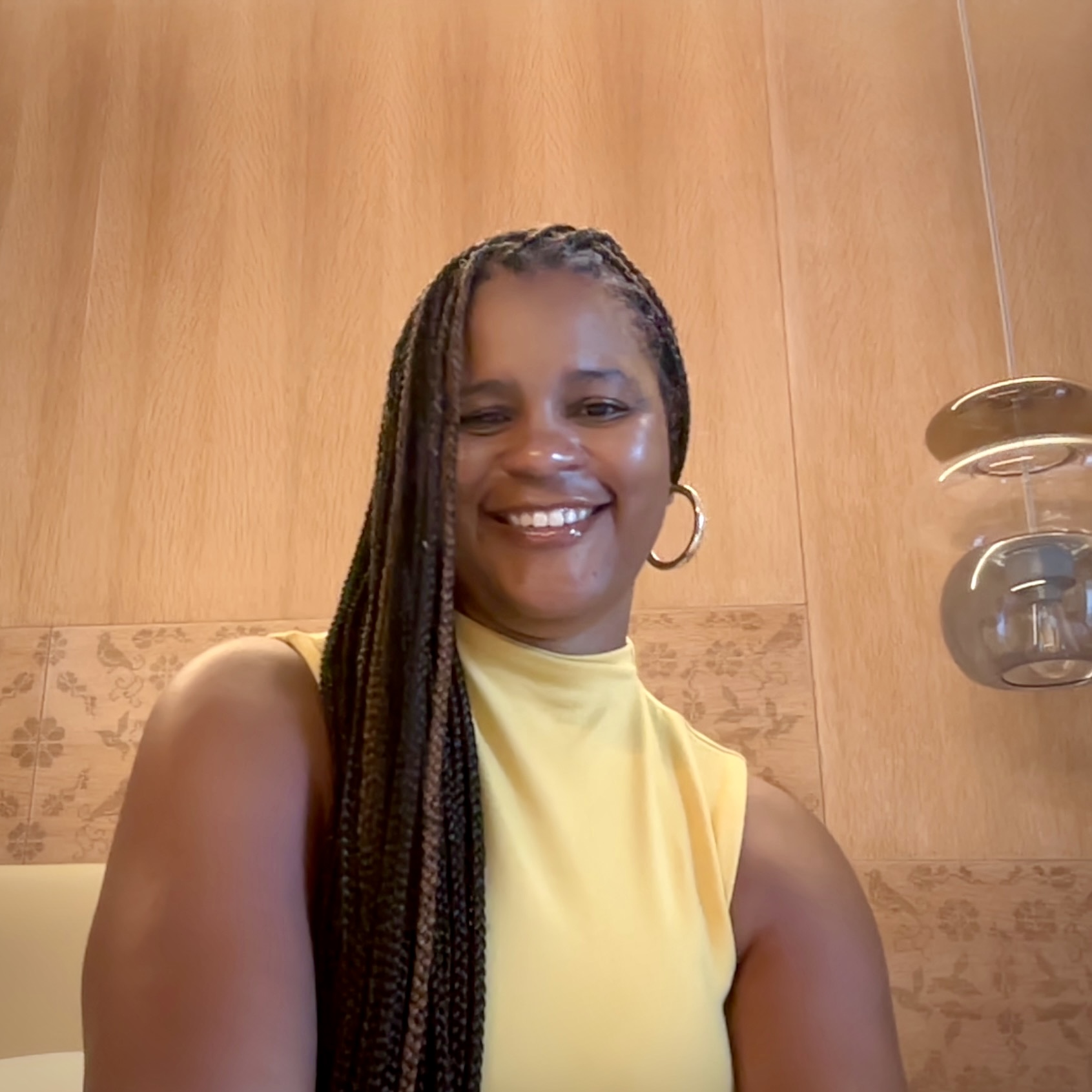
Meet Nefertiti Isoke
I created The Isoke Method because I believe mental health care should be proactive, personal, and relationship-centered.
Too often, psychiatric care focuses on managing symptoms after life has already begun to unravel. My philosophy is different. By building strong therapeutic relationships, understanding each person’s unique story, and providing thoughtful, evidence-based treatment, my goal is to help patients create lasting emotional health—not simply manage mental illness.
My goal is to partner with patients, understand their unique story, and help them build lasting emotional health through proactive, relationship-centered care.
Her Specialization
Specialization:
Nefertiti specializes in working with adolescents (14+) and adults experiencing trauma, PTSD, anxiety, depression, ADHD, mood disorders, and difficulties related to identity, relationships, self-worth, and emotional regulation. Her treatment style blends psychodynamic, cognitive, trauma-informed, and holistic approaches to help clients better understand themselves, heal from past experiences, and develop more sustainable ways of coping and living.
Healing Through Connection
The Isoke Method creates a compassionate, culturally responsive space where clients feel seen, respected, and supported. Its collaborative and personalized approach focuses on meaningful long-term healing rather than transactional care.
Client-centric approach
Each intervention is tailored through comprehensive assessments that facilitate precise goal setting, demonstrate measurable outcomes, and uphold the highest ethical and confidentiality standards.
Specialized Techniques
Our practice integrates cognitive behavioral methodologies with solution-focused techniques, enabling clients to implement actionable strategies that optimize emotional resilience and sustainable personal growth.
Creative excellence
Our innovative team delivers unique, engaging solutions that set our customer up to win.
What Brings People to The Isoke Method
Mental health symptoms can affect every aspect of life- your relationships, work, physical health, and overall well-being. Whether you already have a diagnosis or are simply, trying to understand what you’re experiencing, we’re here to help.
Difficulty focusing, distractibility, forgetfulness, procrastination, disorganization, impulsivity, difficulty completing tasks, and executive functioning challenges.
Excessive worry, racing thoughts, panic attacks, overthinking, social anxiety, physical tension, irritability, and difficulty relaxing.
Persistent sadness, loss of motivation, low energy, hopelessness, changes in sleep or appetite, difficulty concentrating, and loss of interest in activities you once enjoyed.
Periods of depression alternating with elevated mood, increased energy, decreased need for sleep, impulsive behavior, racing thoughts, or significant mood fluctuations.
Intrusive or unwanted thoughts, repetitive behaviors, excessive checking, contamination fears, perfectionism, reassurance seeking, or mental rituals.
Flashbacks, nightmares, hypervigilance, emotional numbness, avoidance, difficulty trusting others, or feeling constantly on guard.
Premenstrual mood changes, postpartum depression or anxiety, reproductive life transitions, perimenopause, menopause, and the emotional impact of hormonal changes.
Depression that has not adequately improved with previous medications or treatments and may require a more individualized treatment approach.
Feeling overwhelmed, emotional exhaustion, caregiver stress, work-related burnout, major life changes, grief, relationship challenges, and difficulty adapting to new circumstances.