Skip to content

About

Meet The Founder

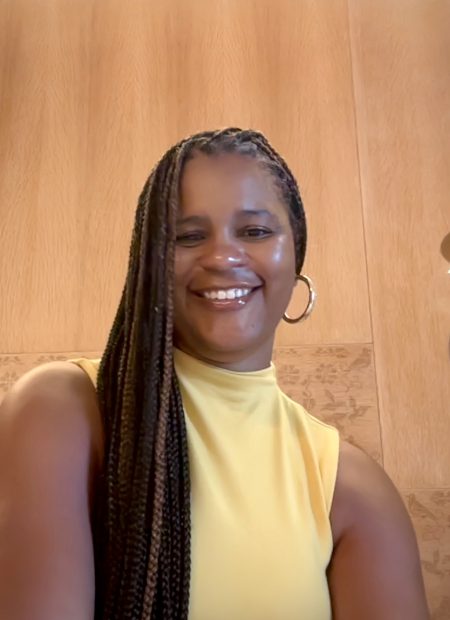
Nefertiti Isoke

Nefertiti Isoke, LCSW, PMHNP, is a Licensed Clinical Social Worker and Psychiatric Mental Health Nurse Practitioner with over twenty years of experience providing psychotherapy and mental health care to adolescents, adults, couples, and families. As the founder of Isoke Method, she provides relationship-based psychiatric and therapeutic care that integrates clinical depth, emotional insight, and whole-person treatment.

At the core of her work is the belief that mental health treatment should feel collaborative, human, culturally responsive, and personalized — not transactional. Through Isoke Method, she strives to create a space where clients feel seen, respected, and supported while engaging in meaningful long-term healing and growth.

IMG_7282 (2)


 Isoke Leaves – Component 20-2


 Isoke Leaves – Component 20-2


 Isoke Leaves – Component 20-2


 Isoke Leaves – Component 20-2


Her Path

Nefertiti's Path

Nefertiti earned her Master’s Degree in Social Work from Bryn Mawr College in 2003 and spent the next two decades working extensively with individuals navigating trauma, anxiety, depression, relationship difficulties, ADHD, behavioral concerns, and life transitions. Throughout her career, she recognized the growing gap between psychotherapy and access to quality psychiatric care, particularly for individuals seeking thoughtful, collaborative treatment rather than rushed medication-focused appointments. This led her to return to school to expand her ability to provide more integrated mental health services.

She became a Registered Nurse in 2020 and completed New York University’s Psychiatric Mental Health Nurse Practitioner program in 2024. By combining her background in psychotherapy with advanced psychiatric training, Nefertiti is able to provide both therapy and medication management within a cohesive, individualized treatment approach.

Her Specialization

Specialization:


Nefertiti specializes in working with adolescents (14+) and adults experiencing trauma, PTSD, anxiety, depression, ADHD, mood disorders, and difficulties related to identity, relationships, self-worth, and emotional regulation. Her treatment style blends psychodynamic, cognitive, trauma-informed, and holistic approaches to help clients better understand themselves, heal from past experiences, and develop more sustainable ways of coping and living.

Isoke Leaves – Component 12

Healing Through Connection

The Isoke Method creates a compassionate, culturally responsive space where clients feel seen, respected, and supported. Its collaborative and personalized approach focuses on meaningful long-term healing rather than transactional care.

Client-centric approach

Each intervention is tailored through comprehensive assessments that facilitate precise goal setting, demonstrate measurable outcomes, and uphold the highest ethical and confidentiality standards.

Specialized Techniques

Our practice integrates cognitive behavioral methodologies with solution-focused techniques, enabling clients to implement actionable strategies that optimize emotional resilience and sustainable personal growth.

Creative excellence

Our innovative team delivers unique, engaging solutions that set our customer up to win.

Operating Principles

All senior leadership maintains ongoing clinical engagement or direct accountability to clinical operations. This ensures decisions reflect the realities of payer requirements, documentation burden, and client complexity.

Compensation structures are designed so that those who benefit from clinical revenue also share in its variability. This alignment promotes fairness, transparency, and responsible growth.

Isoke Method does not rely on excessive productivity demands, unpaid labor, or clinician burnout to sustain operations. Growth is paced to protect clinician well-being and continuity of care.

Clinicians are informed about how revenue flows through the organization, including the purpose of retained percentages, administrative costs, and reinvestment priorities.

Clinical care is not treated as a commodity separate from leadership. It remains central to the
identity, credibility, and decision-making authority of the practice.

Hey! You can't find the answer and still wondering ?

Isoke Leaves – Component 18